




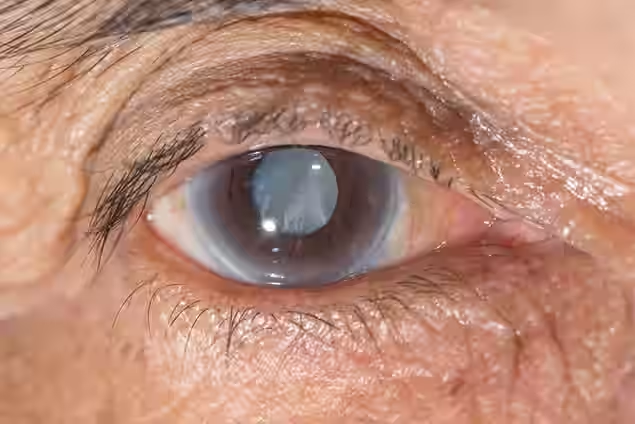
Advanced Cataract Care in Dubai

Cataract Surgery in Dubai

Symptoms, Lens Options, Procedure and Recovery

Cataract surgery in Dubai at Ebsaar Eye Surgery Center begins with a detailed examination to confirm whether a cataract is responsible for blurred vision, glare, faded colours or difficulty seeing at night. Patients receive personalized guidance about surgery, intraocular lens options and recovery expectations.

Cataract surgery assessment at Ebsaar Eye Surgery Center in Dubai
+

What is cataract surgery?

Cataract surgery removes the cloudy natural lens inside the eye and replaces it with a clear artificial intraocular lens. Surgery may be considered when cataracts begin to affect reading, driving, work, mobility or everyday visual comfort.

Understanding Cataracts

What is a cataract?

A cataract develops when the normally clear natural lens inside the eye becomes cloudy. This clouding can make vision appear blurred, dim, faded or hazy.

Cataracts are often related to ageing, but other factors may include eye injury, certain medical conditions, previous eye surgery, family history or long-term use of some medications.

During the early stages, updated glasses or improved lighting may help some patients. When the cataract significantly affects daily vision, an ophthalmologist may discuss cataract surgery.
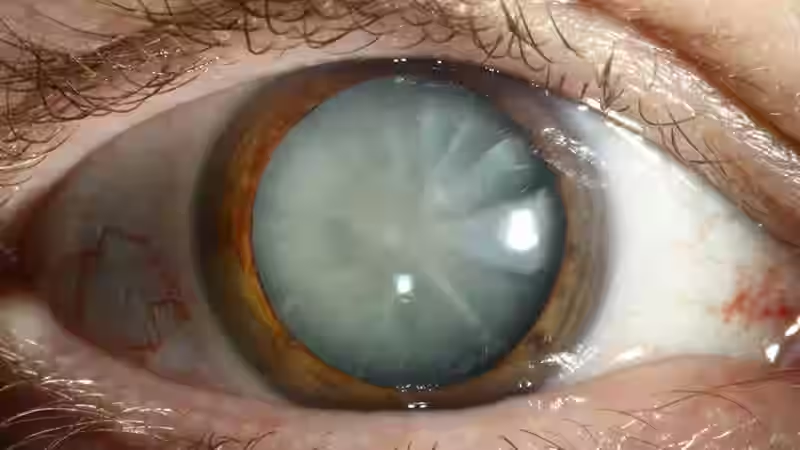

Cataract symptoms including cloudy vision and glare
Common Signs

Common cataract symptoms

Cataracts often develop gradually. Some patients may not notice the early changes until daily tasks become more difficult.

Blurred, cloudy or dim vision
Glare or halos around lights
صعوبة القيادة ليلاً
Colours appearing faded or yellowish
تغيرات متكررة في وصفة النظارات
Difficulty reading or seeing fine details
Reduced contrast or visual clarity
Increased sensitivity to bright light
Treatment Timing

When may cataract surgery be considered?

The decision depends on your symptoms, examination results, eye health, lifestyle and how much the cataract affects everyday vision.

01

Clear Diagnosis

A detailed eye examination helps confirm whether the cataract is the main cause of reduced vision.

02

Effect on Daily Life

Surgery may be discussed when reading, driving, work or daily activities become difficult.

03

Lens Planning

Eye measurements and visual priorities help guide the choice of intraocular lens.

Important: Other conditions affecting the cornea, retina, optic nerve or eye pressure may also reduce vision. These should be considered before planning cataract surgery.
Procedure Overview

Cataract surgery procedure

Cataract surgery generally involves removing the cloudy natural lens and replacing it with a clear artificial intraocular lens.

1

Eye Examination

Vision, eye pressure, cornea, retina and overall eye health are assessed.

2

Eye Measurements

Measurements help calculate the intraocular lens power and support treatment planning.

3

Lens Replacement

The cloudy lens is removed and replaced with the selected artificial lens.

4

Follow-Up Care

Eye drops, activity guidance and follow-up visits support the healing process.

Cataract surgery is commonly performed using numbing eye drops or local anaesthesia. Your ophthalmologist will explain the individual treatment plan and what to expect on the day of surgery.
Intraocular Lenses

Cataract lens options

The most suitable intraocular lens depends on your eye measurements, corneal and retinal health, lifestyle, visual goals and medical assessment.

One Main Focus

Monofocal Lenses

Monofocal lenses are designed to provide a primary focus at one selected distance. Glasses may still be needed for other distances.

انحراف النظر

Toric Lenses

Toric intraocular lenses may be considered for suitable patients who have corneal astigmatism.

Range of Vision

Multifocal Lenses

Multifocal lenses may provide more than one focal range for selected patients, but suitability and expectations require discussion.

Extended Focus

EDOF Lenses

Extended-depth-of-focus lenses may provide an extended range of vision for suitable patients after a detailed assessment.

Lens choice is individual. No single intraocular lens is best for every patient. Your ophthalmologist should explain the potential benefits, limitations and expected use of glasses for each option.
After Surgery

Recovery after cataract surgery

Recovery varies between patients. Vision may begin improving during the early healing period, while complete stabilization can take longer.

قطرات العين

Use Medication as Directed

Use prescribed eye drops according to the instructions provided by your ophthalmologist.

Protection

Avoid Rubbing the Eye

Protect the eye and follow guidance about water, dust, exercise, swimming and other activities.

Monitoring

Attend Follow-Up Visits

Follow-up appointments allow the doctor to assess healing and respond to any concerns.

Seek urgent medical advice for severe pain, sudden vision loss, increasing redness, significant discharge or any symptom that concerns you after surgery.
Dr Hani Sakla at Ebsaar Eye Surgery Center in Dubai
Why Ebsaar?

Personalized cataract assessment and treatment planning

Ebsaar Eye Surgery Center provides ophthalmology care in Dubai with a focus on careful diagnosis, patient education and individualized treatment decisions.

The clinic was founded by Dr. Hani Sakla and supports patients who require cataract evaluation, intraocular lens planning, surgical consultation and follow-up care.

Detailed Examination Eye health is evaluated before surgery is recommended.
Lens Discussion Available lens options are explained according to suitability.
Clear Expectations Benefits, limitations and recovery are discussed.
Follow-Up Care Healing and visual progress are monitored after treatment.
Cataract Pricing

Cataract surgery cost in Dubai

The cost may vary according to the required examinations, surgical plan, intraocular lens selected, eye condition and follow-up needs. Review the dedicated cost guide or contact the clinic for current information.

Frequently Asked Questions

Questions about cataract surgery in Dubai

Is cataract surgery painful?

Cataract surgery is generally performed using numbing eye drops or local anaesthesia. Experiences vary, and your ophthalmologist will explain what to expect before the procedure.

How long does cataract surgery take?

The surgical part is often relatively short, but the complete clinic visit may take longer because of preparation, examination and post-procedure monitoring.

Can cataracts return after surgery?

The removed natural lens does not grow back. Some patients may later develop clouding of the capsule behind the artificial lens, which can often be treated with a laser procedure after medical assessment.

When can I drive after cataract surgery?

Do not drive until your ophthalmologist confirms that your vision is suitable and you meet the legal and clinical requirements for driving.

Will I still need glasses after cataract surgery?

The need for glasses depends on the lens selected, eye condition, healing and visual goals. Glasses may still be required for some distances or tasks.

How is the right cataract lens selected?

Lens selection is based on eye measurements, corneal and retinal health, astigmatism, lifestyle, visual priorities and realistic expectations.

How can I book a cataract consultation at Ebsaar?

Book through the website contact page, WhatsApp on +971 55 600 3662 or call the clinic on +971 4 344 0122.

Trusted Eye Health Resources

For general patient education, review the National Eye Institute cataract resource and the American Academy of Ophthalmology cataract surgery guide .

Book a Cataract Assessment in Dubai

Contact Ebsaar Eye Surgery Center if you are experiencing cloudy vision, glare, faded colours, difficulty reading or poor night vision.