




Eye Allergy Relief Dubai
Eye Allergy Treatment in Dubai: Itchy, Red, Watery Eyes and Dry Eye Relief
Eye allergy treatment in Dubai is important for patients who suffer from itchy eyes, redness, watery eyes, eyelid swelling, burning, and irritation. In Dubai, symptoms may become worse with dust, sand, air conditioning, outdoor allergens, contact lenses, cosmetics, and long screen use.
This guide explains eye allergy symptoms, how to tell the difference between allergy, infection, and dry eye, when to see an eye doctor, and what treatment options may be recommended at Ebsaar Eye Surgery Center in Dubai.
Important: Eye allergy symptoms can look similar to infection, dry eye, blepharitis, or corneal irritation. If you have eye pain, thick discharge, light sensitivity, reduced vision, severe swelling, or symptoms in one eye only, book an eye doctor assessment promptly.
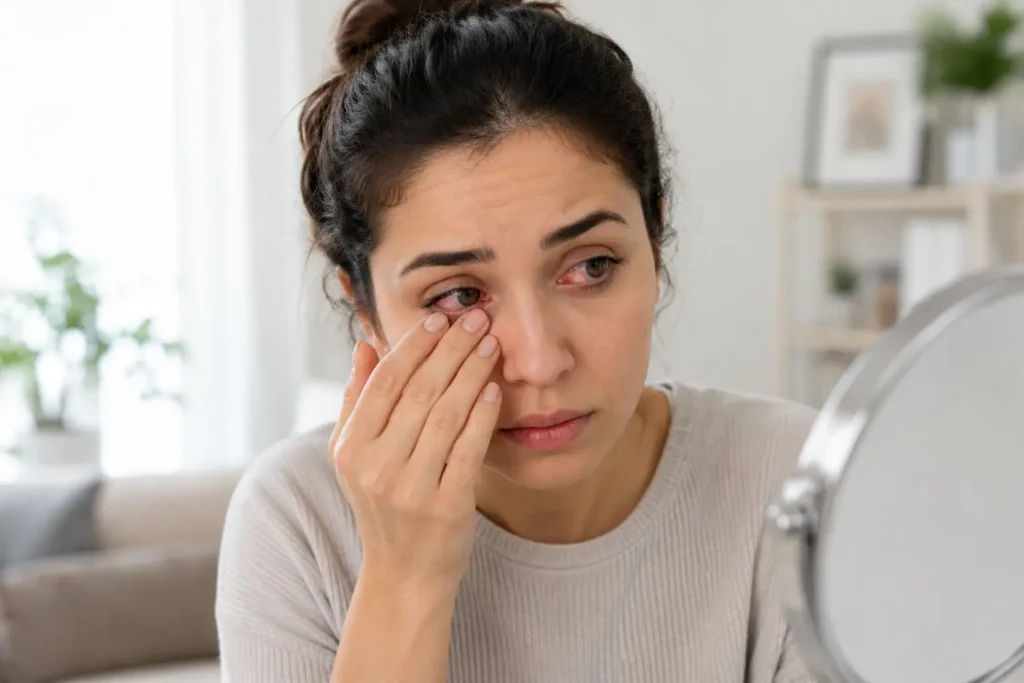
Eye allergy assessment and relief for itchy, red, and watery eyes at Ebsaar Eye Surgery Center in Dubai.
Quick Answer: What Helps Eye Allergies?
Eye allergies are commonly managed by avoiding triggers, not rubbing the eyes, using cold compresses, using artificial tears to rinse allergens, and using allergy eye drops when suitable. Persistent, severe, or recurring symptoms should be checked by an ophthalmologist because red, itchy, or watery eyes can also be caused by infection, dry eye, eyelid inflammation, or contact lens problems.
What Are Eye Allergies?
Eye allergies, also called allergic conjunctivitis, happen when the eyes react to allergens such as dust, pollen, pet dander, mold, cosmetics, or environmental irritants. The immune response can make the eye surface inflamed, itchy, watery, red, or swollen.
Many patients search for eye allergy treatment in Dubai because symptoms keep returning after exposure to dust, outdoor air, air conditioning, or long working days on screens. The goal of treatment is to reduce inflammation, improve comfort, and identify whether another eye condition is also contributing to the symptoms.
Síntomas comunes de alergia ocular
Eye allergy symptoms can be mild, moderate, or severe. They often affect both eyes, but one eye may feel worse depending on rubbing, contact lens use, or exposure.
Itchy Eyes
Itching is one of the most common signs of eye allergy. Rubbing may feel tempting, but it can make irritation and swelling worse.
Redness
Allergic inflammation can make the white of the eye look red or bloodshot, especially after outdoor exposure or rubbing.
Watery Eyes
Allergies can trigger clear tearing as the eyes try to wash away allergens and irritation.
Swollen Eyelids
The eyelids may look puffy or feel heavy, especially in the morning or after exposure to allergens.
Burning or Irritation
Some patients feel burning, stinging, or a gritty sensation, especially when allergy overlaps with dry eye.
Contact Lens Discomfort
Allergies can make contact lenses feel uncomfortable or unstable, especially when the eye surface is dry or inflamed.
Why Eye Allergies Can Be Common in Dubai
Dubai’s environment can expose the eyes to several triggers that may worsen allergies or irritation. Dust, sand, outdoor particles, strong sunlight, indoor air conditioning, dry air, perfumes, cosmetics, and long screen use can all contribute to eye discomfort.
Common Triggers to Watch For
Eye Allergy vs Dry Eye vs Eye Infection
Itchy, red, watery eyes are not always caused by allergy. Dry eye, viral conjunctivitis, bacterial conjunctivitis, blepharitis, contact lens irritation, and corneal problems can cause similar symptoms. A correct diagnosis is important because treatment is different for each condition.
Why You Should Avoid Rubbing Itchy Eyes
Rubbing the eyes can make allergy symptoms worse because it may increase irritation and inflammation. It can also irritate the cornea and eyelids, especially when dust, makeup, contact lenses, or dry eye are involved.
If your eyes itch, it is safer to use cold compresses, rinse with suitable lubricating drops, avoid triggers where possible, and book an eye assessment if symptoms are persistent or recurring.
What Happens During an Eye Allergy Assessment?
An eye allergy assessment helps confirm whether symptoms are caused by allergy, dry eye, infection, blepharitis, contact lens irritation, or another eye condition. The doctor may ask about your symptoms, triggers, work environment, contact lens use, screen habits, cosmetics, and previous treatments.
1. Symptom and Trigger Review
The doctor may ask when symptoms started, whether they affect one eye or both eyes, whether itching is the main symptom, and whether symptoms are linked to dust, air conditioning, pets, outdoor exposure, or cosmetics.
2. Eye Surface Examination
A slit lamp examination can help evaluate redness, swelling, eyelids, tear film, cornea, conjunctiva, and signs of allergy or inflammation.
3. Dry Eye and Eyelid Check
Because allergy and dry eye often overlap, your doctor may check tear quality, eyelid margin health, meibomian glands, and signs of blepharitis.
4. Contact Lens Review
If you wear contact lenses, the doctor may assess lens fit, wearing schedule, hygiene, dryness, and whether lenses should be paused or changed during allergy flare-ups.
Eye Allergy Treatment Options in Dubai
The right eye allergy treatment in Dubai depends on the severity of symptoms, the trigger, whether dry eye is present, and whether infection or eyelid inflammation has been ruled out.
1. Avoiding Triggers
Avoiding or reducing exposure to known triggers is the first step. This may include reducing dust exposure, cleaning indoor spaces, avoiding rubbing, changing cosmetics, using sunglasses outdoors, and managing air conditioning exposure.
2. Cold Compresses
A cold compress over closed eyelids may help reduce itching, swelling, and irritation during allergy flare-ups. Use a clean cloth and avoid pressing hard on the eye.
3. Artificial Tears
Lubricating eye drops can help rinse allergens from the eye surface and reduce dryness or irritation. Preservative-free drops may be recommended for frequent use, depending on the patient.
4. Allergy Eye Drops
Antihistamine or mast-cell stabilizer eye drops may be recommended for allergic eye symptoms. The best option depends on your eye condition, other medications, contact lens use, and symptom severity.
5. Prescription Treatment
For more persistent or severe allergy, the doctor may recommend prescription anti-inflammatory drops or other medical treatment. Steroid eye drops should only be used under medical supervision because they can have side effects when used incorrectly.
6. Dry Eye Treatment
If dry eye is making allergy symptoms worse, treatment may include lubricating drops, eyelid hygiene, warm compresses, prescription medication, punctal plugs, or other dry eye treatment options depending on the diagnosis.
When Should You See an Eye Doctor?
You should book an eye doctor appointment if symptoms keep returning, affect work or sleep, interfere with contact lens wear, or do not improve with simple measures. You should also book promptly if symptoms are severe or look different from your usual allergy pattern.
- Itching, redness, or watering that keeps coming back.
- Eye symptoms that worsen with computer use or air conditioning.
- Contact lens discomfort or repeated irritation.
- Eyelid swelling, crusting, or burning.
- Thick discharge or eyelids stuck together in the morning.
- Eye pain, reduced vision, or sensitivity to light.
- Symptoms affecting one eye much more than the other.
Can Eye Allergies Cause Dry Eyes?
Eye allergies can make the eyes feel dry, irritated, or watery. Allergic inflammation, frequent rubbing, reduced blinking, air conditioning, and some medications may all contribute to dryness. This is why many patients need both allergy control and dry eye evaluation.
You can also read our guide to dry eyes from computer use in Dubai if symptoms become worse during screen work.
Can Eye Allergies Affect Children?
Children can develop eye allergies, especially if they also have allergic rhinitis, asthma, eczema, or frequent exposure to dust or outdoor allergens. Parents may notice eye rubbing, redness, watering, blinking, or eyelid swelling.
Children should be assessed by an eye doctor if symptoms are frequent, severe, one-sided, painful, or associated with vision changes. Do not use adult eye drops for children without medical advice.
Why Choose Ebsaar Eye Surgery Center in Dubai?
Centro de Cirugía Oftalmológica Ebsaar provides advanced ophthalmology care in Dubai, including eye allergy treatment, dry eye treatment, blepharitis treatment, chalazion care, comprehensive eye examinations, cataract surgery, glaucoma care, retina assessment, and vision correction.
The clinic focuses on accurate diagnosis, modern technology, patient safety, and personalized treatment planning. For eye allergy patients, this means checking whether symptoms are caused by allergy alone or whether dry eye, eyelid inflammation, infection, contact lenses, or another condition is also involved.
If you are searching for eye allergy treatment in Dubai, the best first step is a detailed eye examination at Ebsaar Eye Surgery Center.
Book Eye Allergy Treatment in Dubai
If you have itchy eyes, redness, watering, eyelid swelling, burning, dry eye symptoms, or repeated irritation, book an eye allergy assessment at Ebsaar Eye Surgery Center in Dubai for a personalized diagnosis and treatment plan.
Book Your AppointmentFrequently Asked Questions About Eye Allergy Treatment in Dubai
What is the best treatment for eye allergy in Dubai?
The best treatment depends on the cause and severity. It may include avoiding triggers, cold compresses, artificial tears, allergy eye drops, prescription treatment, dry eye treatment, or contact lens adjustment.
How do I know if I have eye allergy or infection?
Eye allergy commonly causes itching, redness, and watery eyes. Infection may cause thicker discharge, crusting, pain, or symptoms starting in one eye. Because symptoms can overlap, an eye doctor exam is the safest way to confirm the cause.
Can air conditioning make eye allergies worse?
Air conditioning can dry the eye surface and make irritation feel worse. In some patients, dry eye and allergy happen together, so both conditions may need assessment.
Should I stop wearing contact lenses during eye allergy?
You may need to pause contact lens wear during flare-ups, especially if the eyes are red, irritated, or uncomfortable. Your eye doctor can advise when it is safe to restart and whether a different lens plan is needed.
Can children get eye allergies?
Yes. Children can develop eye allergies and may show symptoms like rubbing, redness, watery eyes, blinking, or eyelid swelling. Persistent or severe symptoms should be checked by an eye doctor.
Where can I book eye allergy treatment in Dubai?
You can book an appointment at Ebsaar Eye Surgery Center in Dubai for eye allergy assessment, dry eye evaluation, and personalized treatment recommendations.