



Двойное зрение - диплопия
Эффективное лечение двоения в глазах
Специализированная помощь для диагностики и коррекции двоения в глазах, обеспечивающая более безопасное и четкое зрение.
Что такое двоение в глазах?
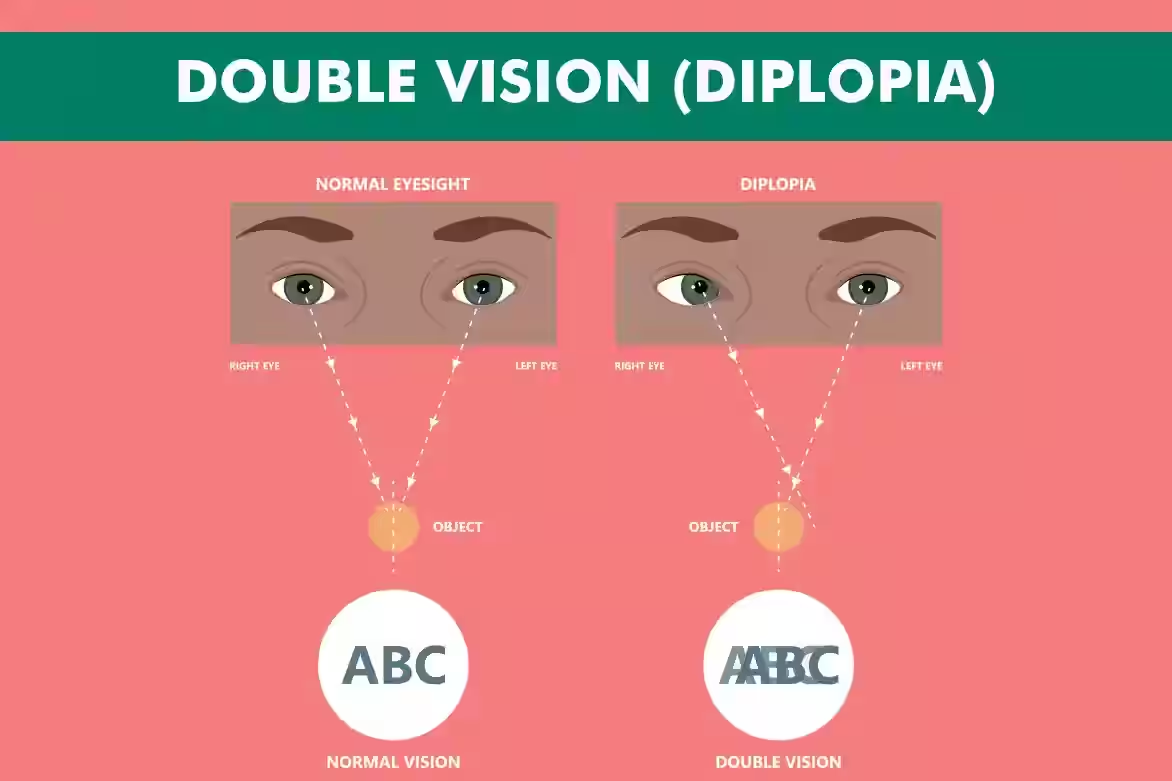
Диплопия, или двоение в глазах, возникает, когда человек видит два изображения одного объекта. Это может затронуть один глаз (монокулярная диплопия) или оба глаза (бинокулярная диплопия).
Монокулярная диплопия: возникает только в одном глазу. Другой глаз видит нормально. Это часто связано с проблемами внутри пораженного глаза, такими как проблемы с роговицей или хрусталиком.
Бинокулярная диплопия возникает только тогда, когда оба глаза открыты. Обычно это происходит из-за неправильного расположения глаз, проблем с нервами или мышечных расстройств, которые мешают глазам правильно работать вместе.
Это может повлиять на повседневную жизнь по многим причинам. Это может затруднить фокусировку на объектах, чтение, вождение автомобиля или выполнение обычных действий. В некоторых случаях это может быть симптомом более серьезного состояния, требующего срочного внимания.
Как выглядит двоение в глазах?
Одно изображение может казаться доминирующим или более четким, в то время как другое может выглядеть слабым, размытым или слегка смещенным. Появление двойного зрения зависит от его типа и причины:
Горизонтальная диплопия Изображения располагаются рядом.
Вертикальная диплопия Изображения накладываются друг на друга.
Косая диплопия: Изображения разделены по диагонали.
Торсионная диплопия Изображения появляются повернутыми или наклоненными относительно друг друга.
Продолжительность также может отличаться:
Временно: Длится короткий период и проходит самостоятельно.
Прерывистый Приходит и уходит в непредсказуемое время.
Постоянная Представляй всё время.
Причины двоения в глазах
Это всегда вызвано основной причиной. Причины могут варьироваться от легких и временных до серьезных и неотложных. Обычно они подразделяются на три категории: образ жизни, связанные с глазами, и неврологические или системные.
Факторы образа жизни
Определенные повседневные действия могут временно его вызвать:
Чрезмерное употребление алкоголя
Зрительное напряжение от длительного использования экрана или чтения
Усталость или недостаток сна
Побочные эффекты лекарств
В этих случаях отдых и снижение зрительной нагрузки могут устранить симптомы. Однако это всегда должен оценивать офтальмолог.
Неправильно подобранные очки или контактные линзы также могут вызывать временное двоение в глазах, которое может быть исправлено оптометристом или окулистом.
Причины, связанные с глазами
Один глаз обычно указывает на проблему с этим глазом. Распространенные причины включают:
Сухие глаза: Недостаточная выработка слезной жидкости или неравномерное распределение слезной пленки
Рубцы роговицы В результате травмы или инфекции
Катаракта: Помутнение естественной линзы глаза
Астигматизм: Неправильная кривизна роговицы или хрусталика
Кератоконус: Истончение и конусовидная деформация роговицы
Птеригиум (глаз серфера): Разрастание на склере, которое может проникать в роговицу
Вывих хрусталика: Смещение естественного хрусталика внутри глаза
Проблемы с сетчаткой: Воздействуя на светочувствительную ткань в задней части глаза
Внешнее давление на роговицу: Вызвано ячменем, халязионом или другими уплотнениями
Нервные и мышечные причины
Когда поражены оба глаза, проблема может затрагивать нервы или мышцы, контролирующие движение глаз:
Косоглазие: Расхождение глаз, мешающее правильной координации
Парез черепно-мозговых нервов Слабость или паралич определенных нервов в голове
Тиреоидная офтальмопатия Отек или тугоподвижность глазных мышц из-за проблем со щитовидной железой
Миастения гравис Аутоиммунное заболевание, ослабляющее произвольные мышцы, включая глазные.
Орбитальная травма: Травмы глазницы
Осложнения после операции: Процедуры, связанные с глазами, зубами или пазухами
Мозговые и системные причины
Некоторые формы вызываются неврологическими или системными заболеваниями:
Инсульт или транзиторная ишемическая атака (ТИА) – Заблокированные или кровоточащие кровеносные сосуды в мозге
Рассеянный склероз (РС) – Нарушение нервных сигналов между мозгом и глазами
Черепно-мозговая травма – Травматическое повреждение головного мозга, влияющее на контроль над глазами
Опухоль мозга – Давление или повреждение нервов, контролирующих движение глаз
Аневризма головного мозга – Вздутые кровеносные сосуды, сдавливающие нервы, связанные с глазами
Эти причины могут угрожать жизни. Немедленная медицинская помощь необходима, если это происходит одновременно с черепно-мозговой травмой, симптомами инсульта или внезапными неврологическими изменениями.
Симптомы диплопии
Помимо двоения в глазах, оно может проявляться:
Боль при движении глаза
Головные боли или мигрени
Болезненные виски или брови
Тошнота или рвота
Размытое зрение
Косоглазие или “блуждающий” вид
Опущение век (птоз)
Неравномерные или расширенные зрачки
Слабость, онемение или головокружение
Тяжесть и комбинация симптомов зависят от основного заболевания. Любое внезапное начало требует немедленного обследования.
Диагностика двоения в глазах
Диагностика включает комбинацию офтальмологических осмотров, визуализационных исследований и неврологической оценки:
Комплексное офтальмологическое обследование Проверяет остроту зрения, согласованность движения глаз и общее состояние здоровья глаз
Тест на покрытие глаз Detects alignment and coordination issues
Pupil and nerve function tests: Evaluates how well nerves control eye muscles
Imaging tests: CT or MRI scans to detect brain-related causes
Blood or urine tests: Screens for systemic conditions like diabetes or thyroid disease
Doctors may also assess eye movement in all directions, measure the separation and alignment of double images, and evaluate whether the problem is monocular or binocular.
Treatment Options for Diplopia
Treatment depends on the cause, severity, and duration. Some cases resolve naturally, while others require medical or surgical intervention.
Non-Surgical Treatments
Prism glasses: Special lenses that bend light to align images
Patch therapy: Covering one eye to alleviate discomfort
Bifocal or reading glasses: Help treat convergence excess (eyes crossing when focusing up close)
Vision therapy: Exercises to improve coordination and eye alignment, especially for convergence insufficiency
Surgical and Medical Treatments
Eye muscle surgery: Straightens eyes when misalignment causes persistent diplopia
Cataract surgery: Replaces a clouded lens to restore clear vision
Лекарство: Treats underlying conditions such as myasthenia gravis, Graves’ disease, or diabetes
Emergency treatment: Urgent conditions like stroke or aneurysm require immediate medical intervention
Diplopia and Strabismus
Strabismus, or misalignment of the eyes, can lead to binocular diplopia. It is often present from childhood but can also develop in adulthood.
Children may suppress the image from the misaligned eye to avoid seeing double, which can result in amblyopia (lazy eye).
Adults usually experience it because the brain cannot suppress one eye’s image.
Treatment for strabismus may include prism glasses, surgery, or vision therapy depending on the severity and patient age.
When to Seek Medical Help
It should never be ignored. Seek immediate medical attention if it occurs with:
Signs of stroke or neurological problems (weakness, numbness, difficulty speaking, walking, or swallowing)
Severe eye pain or headache
Sudden changes in eye appearance or pupil size
Recent head or eye injury
Even if symptoms resolve temporarily, consulting an eye doctor or physician is crucial to rule out serious underlying conditions.
Living With Double Vision
It can make even simple daily tasks feel challenging. Reading, driving, working on a computer, or walking down stairs may become difficult when objects appear duplicated or misaligned. For many people, the condition can be frustrating, disorienting, and sometimes even concerning.
It can affect one eye or both eyes. It may be caused by issues with eye alignment, nerve function, muscle control, refractive errors, or underlying health conditions. Because the causes can vary, a thorough eye examination is essential to determine the source and the most appropriate treatment.
At our clinic, we take a comprehensive and personalized approach to diagnosing double vision. Your assessment may include detailed eye alignment testing, vision measurements, and an evaluation of how your eyes work together as a team.
Treatment options depend on the underlying cause and may include:
Prescription lenses or prism glasses
Vision therapy
Eye muscle treatment or referral to a specialist
Management of underlying medical conditions
Our goal is to reduce or eliminate double vision whenever possible — and to help you feel confident and comfortable in your day-to-day life again. If you are experiencing sudden or persistent double vision, we encourage you to schedule an assessment promptly.
When Your Vision Feels Misaligned
Seeing two overlapping or side-by-side images can be unsettling and disruptive. Everyday tasks such as reading, driving, using digital devices, or walking down stairs may suddenly feel difficult. You may notice eye strain, headaches, nausea, or a need to close one eye to see more clearly. These symptoms can affect confidence, safety, and overall quality of life.
This type of visual disturbance can occur for many reasons. It may be related to how the eye muscles coordinate movement, how the eyes align and focus together, or how signals travel between the eyes and the brain. In some cases, it can be associated with changes in prescription, fatigue, injury, or underlying health conditions. Because the causes vary, a thorough evaluation is essential.
At our clinic, we begin with a detailed assessment of how your eyes work as a team. We evaluate alignment, focusing ability, eye movement, and overall ocular health. If needed, we may collaborate with other healthcare providers to ensure you receive comprehensive care.
Management options are tailored to your specific needs and may include specialized lenses, prism correction, visual rehabilitation exercises, or referral for additional medical evaluation. Our approach focuses on improving comfort, stability, and clarity so you can return to your daily activities with greater ease.
If you are experiencing persistent or sudden changes in how images appear, it is important to seek professional advice promptly. Clear, comfortable sight plays a vital role in your independence and well-being. Our team is here to guide you with careful assessment, personalized recommendations, and supportive care every step of the way.
External Resources for Diplopia
We’re Here to Support Your Vision
Changes in your vision can feel unsettling — especially when they affect how you see and move through the world. Whether you’re seeing two, have blurred sight, or having difficulty focusing, you don’t have to navigate it alone.Our team provides compassionate, patient-focused care in a calm and welcoming environment. We take the time to listen, answer your questions, and clearly explain your options so you can feel informed and supported every step of the way.Your vision plays an important role in your independence, safety, and quality of life. We’re here to help you protect it.Early diagnosis can make a significant difference in managing it effectively. The sooner the underlying cause is identified, the sooner treatment can begin. Even subtle symptoms should not be ignored. If something feels “off” with your vision, a comprehensive eye examination can provide clarity, reassurance, and a clear plan forward.
Часто задаваемые вопросы (FAQ)
Why does double vision occur?
It happens when your eyes fail to focus light properly or do not align correctly. This can be caused by eye problems (like cataracts or corneal irregularities), misalignment of the eye muscles, nerve issues, or brain conditions that affect how the eyes work together.
Why does double vision happen in only one eye?
A single eye (monocular diplopia) usually indicates a problem inside that eye. Common causes include cataracts, corneal scars, astigmatism, keratoconus, dry eyes, or lens dislocation. Covering the affected eye often resolves the double image.
Why can double vision occur when drinking alcohol?
Alcohol can temporarily impair muscle control and nerve function, including the muscles that move your eyes. This can cause temporary double vision, usually resolving once the alcohol is metabolized.
What causes double vision?
- Eye problems (cataracts, corneal scars, dry eyes, lens issues)
Eye muscle or nerve problems (strabismus, cranial nerve palsy, thyroid eye disease, myasthenia gravis)
Brain conditions (stroke, aneurysm, brain injury, tumors)
Temporary lifestyle factors (fatigue, alcohol, medications)
What is double vision a sign of?
It can be a sign of an eye condition, a neurological problem, or another medical disorder. For example, it may indicate cataracts, stroke, multiple sclerosis, thyroid disease, or nerve damage.
What is double vision a symptom of?
It is a symptom itself—it signals that the visual system is not working properly. It often accompanies other conditions like strabismus, myasthenia gravis, brain injury, or cranial nerve palsies.
What causes double vision after a head injury?
Head trauma can damage the brain, nerves, or eye muscles, leading to sudden or persistent double vision. Concussions, orbital fractures, and traumatic brain injuries are common causes.
What causes double vision suddenly?
Sudden-onset may be caused by neurological events (stroke, TIA, aneurysm), acute eye muscle nerve issues, head trauma, or sudden worsening of cataracts or eye misalignment. Immediate evaluation is essential.
What causes double vision after cataract surgery?
Double vision after cataract surgery may result from temporary eye swelling, residual lens misalignment, corneal changes, or pre-existing eye muscle imbalances that become noticeable after surgery. Usually, it improves with time or minor corrective procedures.
Can double vision be corrected?
Yes, in many cases it can be corrected. Treatment depends on the underlying cause and may include glasses, prism lenses, vision therapy, medications, or surgery.
Can double vision be cured?
Some cases can be cured permanently, particularly if caused by treatable eye conditions like cataracts, corneal problems, or misaligned eyes. For neurological or chronic conditions, it may be managed but not fully cured.
Can double vision be corrected with glasses?
Yes, specially prescribed prism glasses can help realign images for patients with certain types of binocular diplopia. Regular prescription glasses usually cannot correct double vision caused by eye misalignment or neurological issues.
Can double vision come and go?
Yes. it can appear and disappear, often caused by fatigue, eye strain, myasthenia gravis, or mild nerve dysfunction. Temporary double vision should always be evaluated to rule out serious causes.
Can double vision lead to blindness?
It itself does not usually cause blindness. However, the underlying conditions causing diplopia—like untreated cataracts, eye injuries, retinal problems, or severe neurological disorders—may affect long-term vision if not addressed promptly.